
Sunday was a reset day. Or at least, that was the intention.
After a demanding workweek, I needed a little space to recover. A slower morning, fewer expectations, and the opportunity to simply exist without feeling responsible for something or someone. There is something sacred about reclaiming a day for yourself, especially when your work requires you to be emotionally present for others.
But today, my reset included paperwork for another FMLA request.
As a therapist, I understand that paperwork is part of the profession. Documentation, coordination, treatment planning, and advocacy are all woven into the work. But every now and then, something happens that reminds me how easily the human experience can get lost in the business of healthcare.
I’m increasingly discouraged by insurance practices surrounding mental health care.
I’m advocating for a client experiencing significant mental and physical decline, someone who has become severely isolated and whose need for continued leave is not something I take lightly. This is the third request for an extension. And once again, the process comes with another demand: progress notes.
My client does not want to release those notes. I agree.
There is something deeply uncomfortable about requiring someone to surrender the intimate details of their therapeutic experience as a condition of receiving a benefit they have paid for. Progress notes are not simply paperwork. They represent vulnerable conversations, private experiences, and the work of building enough trust to say things that may never have been spoken aloud before.
I understand that insurance companies have processes, criteria, and responsibilities. I understand that benefits require review. But understanding a process doesn’t mean I have to agree with every practice within it.
At what point does the process of determining whether someone deserves continued support become another burden placed on the person already struggling?
Mental health care should not feel like a punishment for being unwell.
And longevity? We talk about longevity as though it is always a noble quality. We celebrate the years someone has remained committed, the length of time they’ve stayed, and their ability to endure. But I find myself questioning what we are actually celebrating when longevity comes at the expense of well-being.
There is a difference between commitment and prolonged endurance. Between being supported and simply learning how to navigate a system that doesn’t always support you. Sometimes longevity is less about thriving and more about how long someone has learned to tolerate what should have been better.
I see this in the workplace, in healthcare, and even in the way we measure success. We applaud people for staying, but rarely ask what staying has required of them. We celebrate loyalty without always considering whether that loyalty has been reciprocated.
I know something about longevity. I spent 15 years in banking, and I remember how much emphasis was placed on years of service. Fifteen years sounded impressive. It represented commitment, consistency, and an investment of myself into an organization. Yet, looking back, I understand that the number of years I gave did not necessarily determine how much those years mattered when it was time to recognize, value, or stand behind the person who had given them. That experience has stayed with me. It taught me that longevity and reciprocity are two very different things.
Perhaps longevity deserves a closer look. Not every long-standing relationship is healthy. Not every long-term employee feels valued. And not every person who has remained in a system has been well served by it.
Time invested should mean something. But it should not become a reason to accept less than what was promised or what is deserved.
I don’t have an answer for all of it today.
Perhaps that’s why I needed Sunday to be a reset.
There are days when the work feels purposeful and rewarding. There are other days when the systems surrounding the work leave me questioning how we arrived at a place where protecting the business of healthcare can feel more important than protecting the person receiving care.
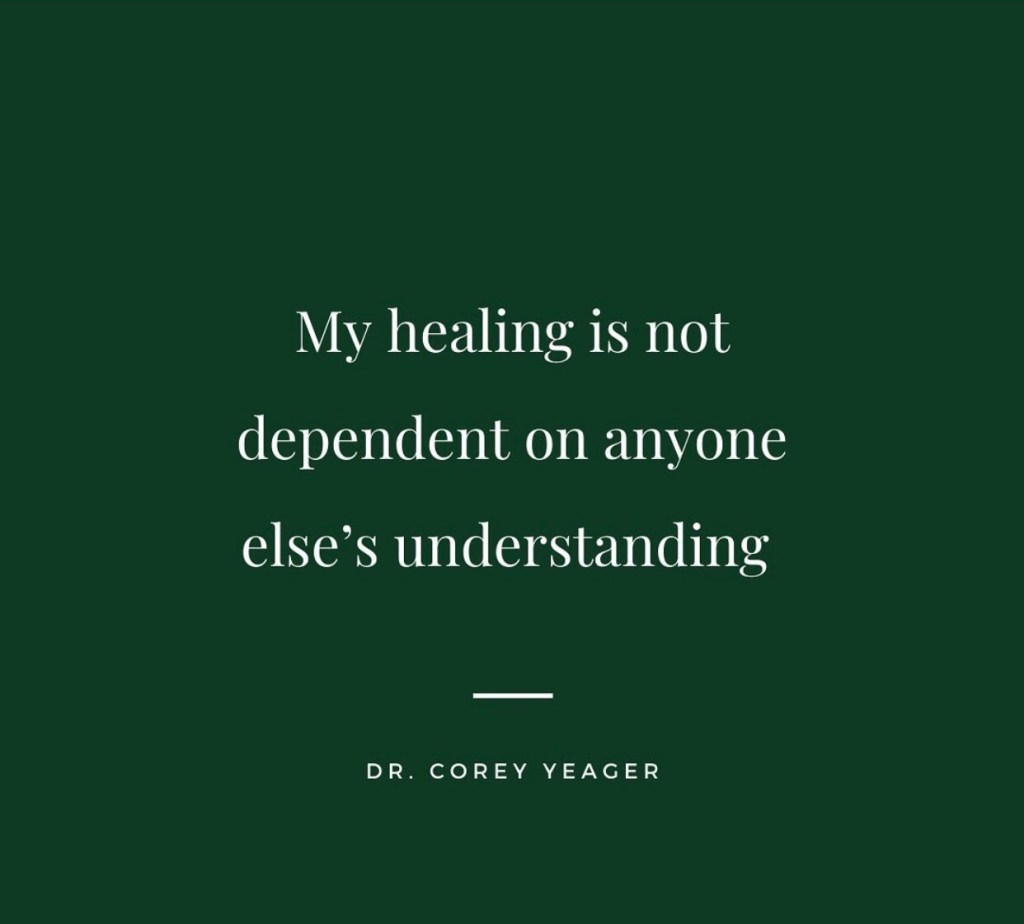
I still believe in the work. I believe in the therapeutic relationship, in the importance of being seen, and in the quiet courage it takes to begin healing.
But I also believe that those of us who provide care are allowed to become frustrated with the conditions under which care is delivered.
Tonight, I’m giving myself permission to put some of that frustration down.
Not because it doesn’t matter. Not because I’ve stopped caring. But because caring for others should not require abandoning ourselves.
Sunday reminded me that rest is not a reward for having completed everything. Sometimes it is a necessity because there is still so much left to carry.
And perhaps the most important part of this reset is remembering that I am human, too.💕
Being braver,
©️Intimately Worded, Michelle.











 It is never easy being vulnerable nor is it ever so easy being the strongest. What I am learning is that life gets better when we share. When we open up, expose our hearts, share our pitfalls, and express our hopes and dreams, our lives become bigger. No longer are we alone, separate, on our own.
 Where to begin? I believe in love. I believe in the type of love that covers, protects. The love that heals, forgives. The love that encourages, advises. The love that is silent yet quietly completes. I do not anticipate the fairy-tale, the dreamy –sexy-Knight-in-shining-armor type. I do not expect the saintly, mega millionaire to make all my dreams come true. Love is hard work. The type of work that is not for the faint of heart. My heart has been bruised enough. I am not dictating that it will not happen again, hurt has every opportunity as with everything in life. Yet, I will not force pain to remain.
 You have the ability to choose. I think often times we lose focus on the power of simplicity because if our lives are not forced focus, in crisis mode, hectic hellish or nonstop un-normal we fight to right our ways our way. Discern what matters God has placed within your life to deal with. Remember anything He gives us He also equips us. There are difficulties we must face, know that we do not face them alone. So often, we place burdens on ourselves that are His and we blame Him for the most. We carry that ice chip on our shoulders, in our words and we embed it in our hearts. God loves and He disciplines those He loves. He is not going to allow us to outdo Him. Honestly, there is no way we can.


You must be logged in to post a comment.