Category: Dating

  • Healing: A Season of Solitude

    The Journey of Journaling

    There are seasons in life when healing doesn’t arrive with a clear roadmap. There are no ten steps, no quick formulas, no perfectly outlined path back to ourselves. Instead, healing often arrives quietly—through awareness, compassion, and the courage to sit with our own hearts.

    Recently, while waiting for my daughter in a parking lot, I opened my journal and wrote the following:

    “My body spoke to me: rest. I woke up and decided against attending church. I snacked on fruit and nuts while I completed notes. I took a 2-hour nap. I awoke rested.

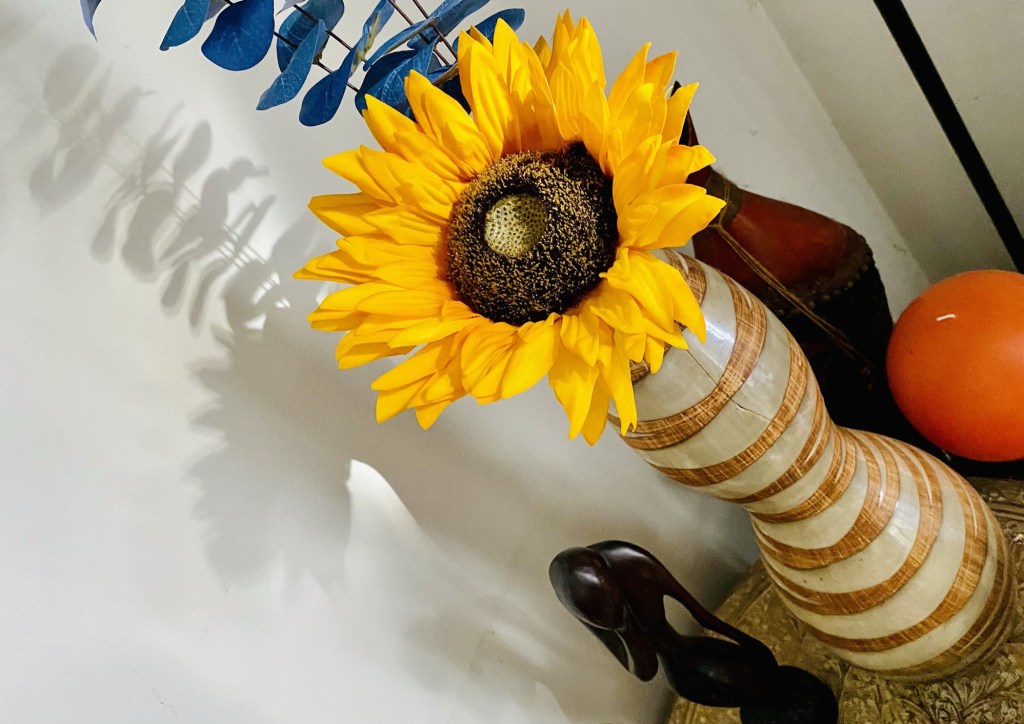
    I took a photo of the sunflower in my vase catching the sunlight.

    Loving thing to remember: I am loveable. This season of solitude is healing. I miss his presence, the comfort he gave. I am better than ok.

    When I read those words again later, I realized something important: healing had already begun before I ever tried to “figure it out.”

    Listening Instead of Fixing

    In a culture that often pushes us to move quickly through discomfort, solitude can feel like something we must escape or rush through. But sometimes the most honest thing we can do is pause long enough to listen.

    On that particular day, my body asked for rest. Instead of overriding the signal, I honored it. I skipped church, completed the work that needed my attention, ate something simple, and allowed myself a nap.

    That decision wasn’t dramatic or heroic. It was simply attentive.

    Healing often begins in these quiet moments—when we stop trying to control the process and start listening to what our bodies and spirits need.

    The Beauty That Returns

    Light & Shadows ✨

    What surprised me most about that day wasn’t the rest. It was the moment of beauty.

    I found myself taking a picture of a sunflower sitting in a vase, illuminated by sunlight. It wasn’t an extraordinary scene, yet something about the light felt warm and alive.

    When our hearts begin to heal, we start noticing small beauty again. Light through a window. A quiet moment. The stillness of a flower catching the sun.

    These small recognitions are not trivial; they are signs that the nervous system is settling and the heart is slowly reopening.

    Holding Multiple Truths

    Another realization came as I reread my journal entry: healing doesn’t require us to deny what we feel.

    I wrote honestly that I miss his presence and the comfort he once gave. Missing someone does not mean we are broken or moving backward. It simply means the connection mattered.

    At the same time, I affirmed something equally important:

    I am loveable.

    This season of solitude is healing.

    I am better than ok.

    Healing with an open heart means allowing multiple truths to coexist. We can miss someone and still move forward. We can feel tenderness for the past while choosing a healthier future.

    Solitude Is Not Emptiness

    A season of solitude is often misunderstood as loneliness or isolation. In reality, it can be a sacred space where clarity and self-respect deepen.

    Solitude gives us the room to ask gentle questions:

    What does my body need right now? What does peace feel like in my life? What kind of love truly aligns with my values?

    These questions do not demand immediate answers. They simply invite awareness.

    Healing Is Not a Checklist

    There is a temptation to treat healing as a set of steps: forgive, move on, start again. But real healing rarely unfolds so neatly.

    Instead, it grows through:

    Compassion for ourselves when we feel vulnerable.

    Forgiveness, not as a forced act but as a gradual softening of the heart.

    Awareness of our needs, boundaries, and inner wisdoms.

    When we allow healing to unfold naturally, it becomes less about fixing ourselves and more about rediscovering ourselves.

    An Open Heart in a Quiet Season

    That short journal entry reminded me that healing does not always announce itself with grand breakthroughs. Sometimes it appears as rest, sunlight, and the quiet affirmation that we are still worthy of love.

    A season of solitude is not a pause in life. It is a period of listening, growing, and becoming more deeply rooted in who we truly are.

    And from that place, love—healthy, stable, reflective love—has a way of finding us again.

    Until then, we keep listening to the small, wise voice within that says:

    Rest.

    Notice the light.

    Remember—you are loveable.

    I encourage you to trust this part of too.

    Being brave,

    Michelle 🌿

    ©️Intimately Worded, Michelle

  • The Quiet That Comes After Letting Go

    The Quiet That Comes After Letting Go

    There is a certain kind of quiet that only comes after emotional noise.

    Not the quiet of loneliness.

    Not the quiet of avoidance.

    But the quiet that returns when your spirit has decided it will no longer argue with what it already knows.

    Tonight the house is still.

    My phone is still.

    Even my thoughts feel softer than they did a few weeks ago.

    Healing does not always announce itself loudly. Sometimes it arrives in the smallest ways.

    You notice you laughed at something today.

    You realize your shoulders are no longer clenched.

    You stop replaying conversations that once felt like unfinished business.

    And somewhere in that noticing, you understand something important:

    You survived the moment that once felt unbearable.

    For a while, your heart held tension the way a fist holds onto something it is afraid to drop.

    Questions.

    Hopes.

    Words that were never fully returned.

    But eventually the body grows tired of holding on to pain that has already taught its lesson.

    So the hand opens.

    Not dramatically.

    Not all at once.

    Just enough for peace to slip back in.

    Tonight I am learning that healing is not always about replacing what was lost.

    Sometimes healing is simply the moment when your heart becomes quiet enough to remember who you were before the storm.

    And that woman is still here.

    Still thoughtful.

    Still discerning.

    Still capable of loving deeply.

    Only now she knows something she didn’t before:

    Peace is not something someone else brings into your life.

    Peace is what returns when you stop negotiating with what your spirit already released.

    And when that quiet comes…

    you finally rest again.

    Inner Reflection

    Some endings leave behind a strange kind of silence. At first, it can feel uncomfortable, even heavy. We may reach for distractions or explanations because the stillness feels unfamiliar.

    But sometimes that silence is not emptiness.

    Sometimes it is restoration.

    It is the sacred space where your heart regains its rhythm. Where your thoughts begin to settle. Where your spirit gently reminds you that you are not defined by what ended, but by the strength it took to release it.

    In this moment, if you find yourself in a quiet season, allow it to be what it is.

    You do not have to rush to fill the silence.

    Sometimes peace arrives softly…

    and asks only that you receive it.

    “The Lord will fight for you; you need only to be still.”

    — Exodus 14:14

    A Gentle Question for Your Heart

    Before you move into the rest of your day, take a quiet moment and ask yourself:

    What has my spirit already released that my mind is still trying to hold on to?

    Healing often begins the moment we stop wrestling with what God has already given us the strength to leave behind.

    Today, allow yourself to rest in the quiet. Trust the stillness, it’s a win. ✨

    Being brave,

    Michelle

    ©️Intimately Worded, Michelle

  • Loving Better

    Loving Better

    Rainy Sundays, The Day After Valentine’s Day, and the Quiet Work of Agape

    There is something sacred about a rainy Sunday.

    The sky softens. The noise settles. The world feels like it has exhaled. And today — the day after Valentine’s Day — the roses are slightly tilted, the chocolate boxes half empty, and the performance of romance has quieted.

    What remains?

    This is where “loving better” begins.

    Not in the glitter of a single day, but in the ordinary, rain-soaked moments that follow it.

    Valentine’s Day often celebrates eros — the passionate, romantic love that thrills and sparks. But the day after invites something deeper. Something steadier. It calls us toward agape.

    Agape love is not flashy. It does not demand applause. It is patient, enduring, and generous in spirit. In the Christian tradition, agape is the highest form of love — the kind that reflects the heart of God. As described in 1 Corinthians 13, it is the love that is patient and kind, that keeps no record of wrongs, that bears and believes and hopes.

    Agape is the love that shows up on rainy Sundays.

    It looks like making breakfast slowly and staying at the table a little longer.

    It looks like checking in on a friend without needing anything in return.

    It looks like choosing gentleness when irritation would be easier.

    It looks like forgiving — even when no one posts about it.

    Loving better is not about loving perfectly. It is about loving consciously.

    The day after Valentine’s Day is honest. It asks: Who are you when the spotlight dims? Who are you in the quiet? Who are you when loving requires patience more than passion?

    Rainy Sundays are teachers. They remind us that intimacy is cultivated in stillness. That love deepens in consistency. That safety is built in small, repeated acts of care.

    For those of us who are healing, who are rebuilding trust, who are learning to receive and give love more softly — loving better may mean slowing down. It may mean refusing intensity that feels like chaos. It may mean honoring steadiness over sparks.

    Agape invites us to love from wholeness, not hunger. And that begins within.

    Because loving better also includes how you speak to yourself when no one else is around. It includes the grace you extend when you fall short. It includes the way you tend to your own heart on a quiet Sunday afternoon.

    Love is not proven in grand gestures alone. It is revealed in posture.

    So today, let the rain fall. Let the world move more slowly. Let your love be less performative and more rooted.

    Valentine’s Day may celebrate being chosen.

    But the day after celebrates choosing — again and again — to love well.

    Reflective Thought:

    On this rainy Sunday, ask yourself:

    Where in my life am I loving out of habit instead of intention? Do I offer myself the same patience I extend to others? What would it look like to practice agape — steady, generous love — in one small, concrete way this week? Am I loving from fullness, or from a desire to be filled?

    Sit with your answers.

    Loving better is not loud work.

    It is sacred, steady work.

    And it begins right here.

    Doing Brave,

    Michelle 🌿💛🌿

    ©️Intimately Worded, Michelle.

  • God Remains in the Small, Tender Things

    God Remains in the Small, Tender Things

    There is a sacredness that lives in ordinary moments. Not the loud, mountaintop kind of sacred. The quieter kind. The kind that slips into your life wearing your man’s favorite sports jersey on a lazy Sunday afternoon after Church, hair wrapped up in a messy bun, soul rested, heart slowly learning how to trust softness again.

    I’ve been thinking a lot lately about how God remains.

    Heart work.

    Not just when life feels orderly. Not just when prayers feel answered in obvious ways. But in the everyday unfolding of intimacy… the kind that feels human, warm, and sometimes unexpectedly healing.

    This Sunday felt like that.

    After Church, we drifted into what has become our unspoken ritual — pajama Sundays. No rushing. No performing productivity. Just allowing ourselves to exist beside each other. I pulled on his favorite sports jersey, oversized and comfortable, the fabric carrying the faint scent of him. There is something quietly vulnerable about wearing something that belongs to someone you care about. It is closeness without announcement. Trust without speeches.

    And in that moment, I felt it — God remaining in tenderness.

    We spent the afternoon watching movies, eventually landing on Double Jeopardy. An older film, but one that stirred something deeper than entertainment. As the story unfolded, the betrayal by the husband was sharp and unsettling. What surprised me wasn’t the plot twist, but his reaction to it.

    He was hurt by it. Not dismissive. Not detached. Hurt.

    There was a visible discomfort in him as he processed the cruelty of a man who could betray someone who loved him. He spoke about it with genuine frustration, almost grief-like confusion about how someone could carry such intentions toward their partner.

    And I watched him while he watched the movie.

    Sometimes God shows up in sermons. Sometimes in scripture. But sometimes, God shows up in the way someone’s heart reveals itself when they are not trying to impress you. Just reacting. Just being.

    There is a quiet safety in witnessing a man be moved by injustice against love. It tells you something words cannot. It reveals a moral tenderness that does not perform strength through hardness, but through care.

    God remains in that too.

    I am learning that divine presence is not reserved for grand spiritual awakenings. Sometimes it rests in the way someone reminds you to eat after a long day. The way they lean closer during a tense movie scene. The way they respond emotionally to pain that isn’t even their own.

    God remains in shared blankets.

    God remains in laughter between dialogue.

    God remains in oversized jerseys and slow Sundays.

    God remains in the soft rebuilding of trust after life has taught you to armor up.

    For a long time, I believed closeness required vigilance. That love needed monitoring. That safety had to be negotiated constantly. But lately, I am experiencing intimacy that feels like exhale. Not perfect. Not fairy tale. But present. Intentional. Gentle in ways that feel spiritually grounding.

    There is something holy about being allowed to soften without fear of being mishandled.

    And maybe that is one of the most overlooked ways God stays with us — through the people who hold our tenderness with care.

    We often search for God in clarity, answers, or control over outcomes. Yet I am discovering God also remains in the unfolding… in learning someone’s emotional language… in noticing how they respond to harm, to love, to vulnerability, to stories that mirror real life.

    God remains in how we learn each other.

    This relationship is teaching me that divine reassurance doesn’t always arrive as certainty. Sometimes it arrives as consistency. As presence. As small moments stacking themselves into quiet evidence that love can be both safe and deeply felt.

    That afternoon, wrapped in comfort and movie light, I felt gratitude rise unexpectedly. Not just for him, but for the way God continues to show me that intimacy does not have to be chaotic to be passionate. That softness does not weaken connection — it deepens it.

    There is holiness in ordinary love.

    There is ministry in tenderness.

    And there is God… still remaining… in all of our things.

    Remain brave,

    Michelle 🌿

    ~~~~~~~~~~~~~~~~~~~~~~~~~~~~~~~~~~~~~~~~~~

    Scripture: “You make known to me the path of life; You will fill me with joy in Your presence, with eternal pleasures at Your right hand.” ~ Psalm 16:11

    Reflection:

    •Where have you experienced tenderness that felt spiritually safe?

    •Have you allowed yourself to recognize those moments as sacred, or have you minimized them because they felt “too simple” to be divine?


    ©️Intimately Worded, Michelle.

  • His T-Shirts, Cuddles, and Coffee — Our Bodies Remember

    His T-Shirts, Cuddles, and Coffee — Our Bodies Remember

    Choose You

    There is a particular intimacy that comes with age—one that is slower, fuller, and unapologetically embodied. I wake up in his t-shirt again.

    It hangs off my shoulders, soft and oversized, brushing against skin that has lived. Skin that has stretched, healed, marked time. At this stage of life, nothing about my body is imaginary. Everything has a story.

    Our bodies tell our most intimate stories—

    the stretch marks, the tats, the birthmarks.

    The places where life pressed hard and didn’t apologize. The places where love once left and later returned.

    When he pulls me close, there is no scanning, no assessment. He affirms the deep valleys, the crooks, the life pain my body has held. His touch doesn’t avoid the tender places—it honors them. There is something profoundly healing about being touched without correction. About being desired without being edited.

    We cuddle like people who have nothing to prove.

    His body meets mine not with urgency, but with knowing. The kind of knowing that comes from grief survived, prayers whispered, and faith that had to mature before love could. His hand rests—not to claim, but to stay.

    The coffee brews quietly, like a benediction.

    Steam rises while we remain tangled, breathing each other in. In moments like this, I feel God close—not distant or judgmental, but present. I believe intimacy like this is holy. Not because it is perfect, but because it is honest.

    After 50, desire doesn’t disappear—it becomes discerning. It chooses safety. It chooses warmth. It chooses someone who understands that pleasure and pain often live in the same body. Someone who doesn’t rush past the scars but recognizes them as proof of survival.

    Faith has taught me this:

    God restores through gentleness more often than spectacle. Through mornings like this. Through affection that doesn’t demand transformation. Through love that says, you don’t have to tighten to be worthy.

    This kind of intimacy feels like redemption.

    Like being met exactly where I am—with reverence for the flesh that carried me through childbirth, heartbreak, longing, and prayer. Like God saying, I remember what you’ve endured—and I still call this good.

    So I stay in his t-shirt a little longer.

    I let my body soften. I let myself be held without shrinking. After 50, intimacy is not about becoming someone new. It’s about being loved as the woman you already are.

    And that—

    that feels like grace poured slowly, one quiet Saturday and/or Sunday morning at a time.

    XOXO,

    Michelle 💛

    ©️Intimately Worded, Michelle.

  • Red Flags or Revelation? Learning to Trust Your Inner Wisdom in Love

    Red Flags or Revelation? Learning to Trust Your Inner Wisdom in Love

    In dating and intimacy, we’re often taught to look for surface-level markers of “worthiness” — titles, income, lifestyle, social status. But the deeper truth is this:

    A person can look impressive and still live in quiet chaos.

    And the more mature version of you doesn’t need to investigate someone’s outer life to understand their inner world.

    You don’t have to figure out how much someone makes to know whether they are emotionally whole.

    What matters more are quieter, more honest questions:

    Is their life stable — emotionally, spiritually, relationally?

    Does their story match their choices?

    Do you feel safe, calm, and clear in their presence — or confused, tense, and unsettled?

    These questions don’t come from judgment.

    They come from wisdom.

    You’re not “too sensitive.”

    You’re perceptive.

    When something feels off, it isn’t an accusation.

    It’s information.

    Your body notices before your mind catches up.

    Your spirit recognizes misalignment long before you can explain it.

    And trusting yourself doesn’t make you cynical — it makes you grounded.

    Quiet clarity is powerful.

    You don’t have to argue with your instincts.

    You don’t have to convince yourself to stay curious about red flags.

    You don’t have to silence your nervous system to be “open-minded.”

    You are allowed to listen to the discomfort.

    You are allowed to honor the pause.

    You are allowed to choose peace over potential.

    Emotional intelligence in love looks like this:

    Peace without performance.

    Consistency without chasing.

    Safety without forcing.

    And spiritual maturity shows up as discernment — not paranoia.

    You are not rejecting people.

    You are protecting your peace.

    And that is holy.

    I pray this Sunday you focused on what you need and that you know that your wants (no matter how big) are divinely aligned. May peace be your stand and hope your anchor. You are worth your healing work. 💕

    Be brave,

    Michelle🌿

    ©️Intimately Worded, Michelle.

  • Falling Season, Get What You Give

    Falling Season, Get What You Give

    November Reflections: Reciprocity, Renewal, and Protecting the Heart

    Work is creeping in, in a deep way—feeling like November and the end of Fall. I know there’s still more Autumn left, even if the weather and early darkness suggest otherwise. There’s a chill that whispers both endings and beginnings.

    For now, I’ll protect my physical body with crochet scarves and my red beanie, layers of warmth and softness that feel like care. Spiritually, I’ll protect myself with scripture, hot tea, and quietness. This combination grounds me—it’s a gentle ritual of self-preservation and presence.

    I will also continue to follow through with clinical encouragement and therapeutic support for my clients. I love what I practice for a living, though it often carries a great amount of heaviness. Bearing witness to others’ pain and growth is sacred work—it deepens empathy but also stretches the heart thin at times. My heart feels frayed a bit lately, yet my hope is deeper and wider.

    It’s Sunday again—a new month, a renewing of time. The clocks “fell back” in the early morning hours, giving us the illusion of more rest, more time. Yet I know how long it takes for the body and spirit to catch up with the shift. This symbolic turning reminds me: don’t allow the world to cloud your intuition. Trust what you know.

    Reciprocity vs. Transactional Relationships

    In therapy and in life, we often examine the balance of giving and receiving—what it means to love freely while maintaining healthy boundaries. It’s important to distinguish reciprocity from a purely transactional way of relating.

    A reciprocal relationship is rooted in goodwill, connection, and genuine care. It’s where giving becomes an act of love—not an investment expecting a return. It flows both ways, naturally and without keeping score.

    By contrast, a transactional relationship measures worth in exchanges:

    “I bought you coffee, so you owe me a coffee.”

    In reciprocity, the heart says:

    “I bought you coffee because I wanted to do something kind. I trust that you’ll hold me in love and care when I need it most.”

    The difference may seem subtle, but emotionally and spiritually, it’s profound. Reciprocity nourishes connection. Transactionality breeds comparison, resentment, and emotional distance.

    In therapy, I often remind clients that reciprocity thrives in spaces where trust and emotional safety exist. It’s a rhythm of mutual investment—where both people are free to give from overflow, not obligation.

    Love, God, and the Waiting Season

    Lately, I’ve returned to the dating app—not out of desperation, but curiosity and openness. It’s a strange world to navigate with a tender heart and a discerning spirit. I find myself reflecting often on why I desire partnership and how I wish to love.

    Some conversations spark hope; others remind me how surface-level connection can be when rooted in transaction rather than reciprocity. There’s a quiet ache in realizing how rare it is to meet someone who’s ready to love intentionally—to listen, to give without keeping score, to see beyond what’s easy.

    And yet, even as I scroll, match, and unmatch, I still believe in divine timing. I still believe that God writes love stories differently—slowly, intentionally, with purpose and alignment. So I’m learning to wait well. To stay open, but not hurried. To protect my peace while remaining hopeful that the right heart will recognize mine.

    Spiritual Reflection, in Galatians 6:9, we’re reminded: “Let us not grow weary in doing good, for in due season we shall reap, if we faint not.”

    This scripture grounds me as both therapist and woman—someone holding space for others while still longing for her own sacred companionship.

    Even when my heart feels stretched thin, I remember that reciprocity—with myself, with God, and with others—is an act of trust. A form of love that doesn’t rush or demand, but rests and receives.

    As time falls back and the days grow shorter, I choose to rest, to trust what I know, and to give from love—never from depletion.

    May this November invite you, too, into warmth, rest, and a deeper understanding of how you give and receive love. And if you, like me, are waiting on God to write your love story—know that He’s still writing.

    Reflection Prompt: Where in your life do you need to trust divine timing—in love, in purpose, or in the quiet in-between?

    Be brave,

    Michelle

    ©️Intimately Worded, Michelle

  • Love Does Not Require My Exhaustion, Only My Honesty

    by Michelle Tillman | Intimately Worded

    There’s a quiet kind of fatigue that can come from wanting to be loved well. It isn’t physical — it’s emotional and spiritual. It’s the weariness that shows up after you’ve overextended your heart just to be understood, after you’ve carried more of the emotional load than the relationship ever asked you to.

    But I’ve come to realize something sacred:

    Love does not require my exhaustion, only my honesty.

    That truth has become a balm for me. Honesty isn’t just about what I say — it’s how I choose to show up. It’s admitting when I’m tired, when I feel unseen, when I’m hoping for more depth. It’s saying, “I want a meaningful relationship,” without trying to earn one through over-effort or performance.

    There’s a kind of peace that only comes when you stop negotiating your needs. When you release the urge to chase clarity or beg for consistency. When you start trusting that the love meant for you will never confuse you, diminish you, or ask you to betray your spirit in the process.

    As we begin to heal with our own stuff, something shifts. We stop seeing love as a rescue and start seeing it as a reflection. We start realizing that the relationships around us mirror where we are internally — what we believe we deserve, how safe we feel within ourselves, and how deeply we’ve allowed grace to meet us in our healing.

    My journey now is about emotional healing and spiritual safety — finding a rhythm in love that doesn’t disrupt my inner calm. I want connection that feels like prayer: steady, honest, rooted in presence. The kind that honors the quiet work I’ve done to heal, forgive, and grow.

    When someone fades away, or blocks, or simply doesn’t have the depth to meet me — I breathe. I remember that peace isn’t the absence of longing; it’s the presence of alignment. I remind myself that my worth doesn’t rise or fall with someone’s ability to recognize it.

    So I’m learning to love differently — without rushing, without rescuing, without rehearsing who I think I need to be. I’m letting honesty, not exhaustion, lead the way.

    Because love that is divine, grounded, and true doesn’t demand my striving.

    It welcomes my stillness. It meets me where I am,

    and says: You are safe here.

    Be Brave,

    Michelle🌿

    “I have found the one whom my soul loves.” — Song of Solomon 3:4

    Intimately Worded | Sunday Reflections

    What would it look like for you to love without exhaustion — to let honesty, not effort, guide your connections?

    SelfLove enables better choices.

    ©️Intimately Worded, Michelle

  • October’ing: Autumn’s Season

    October’ing: Autumn’s Season

    Navigating with Love

    The Becoming: Generational Mid-Life and the Emotional Intelligence of Self-Discovery

    It’s in the quiet, candlelit hours of GenX-ing—when menopause-induced insomnia gently disrupts the night—that the deepest soul work begins. This is the new terrain of life: navigating the Empty Nest, the clinical realities of Diabetes and Menopause, and the relentless work of Single Parenting. But more than a list of challenges, this is an invitation to lean into the continuous, lifelong process of becoming—the act of learning and aligning with the truest self.


    The Stirring: Reconciling Capacity and Calling

    Last Sunday, the Pastor’s abrupt, almost vernacular question—”You just showing up… and not using your gifts. Not nan gift, not one?!”—acts as a spiritual provocation. It’s the divine equivalent of a coach calling a time-out: not an accusation, but a forceful invitation to acknowledge the potential you hold. This moment is the essence of true spiritual accountability, my own.

    This spiritual accountability, though met with an internal response “Sis tired” chuckle, remains the essence of emotional self-awareness. It tugged at my heart —to reconcile our current capacity with our inherent calling.

    My history with faith is one of reverence, where teaching Sunday School once felt like a natural flow of my spiritual gift. That gift, when a church home shifted, didn’t vanish—it simply transferred its medium. It became the ministry of therapy.

    This transference illustrates a powerful clinical principle of emotional intelligence: Adaptability and the re-channeling of purpose. My “can-do” spirit, once dedicated to religious education, now finds its highest expression in professional ethics—the oath to do no harm, to embody empathy, and to remain faithful to my clients’ healing. This is the integration of self—a conscious choice where the spiritual commitment (“I’ll show up faithfully”) merges with professional standards. That growing, healing confidence—the emergence of the affirmed “I”—is the sound of self-mastery in action.

    Podcast: https://renovare.org/podcasts/lifewithgod/reward-sibanda-how-to-fast


    Clinical Wisdom: Navigating the Body as a Sacred Text

    Our mid-life landscape forces us to confront the undeniable link between the physical and the emotional. As a therapist, I’m immersed in evidence-based science, theory, and methodology. Yet, the wisdom gained from navigating my own chronic illness (Diabetes) and hormonal shifts (Menopause) is a science of the self.

    The intricate dance of managing blood sugars, bone density, and muscle mass while wrestling with sweat soaked sheets is a poignant metaphor for my current developmental stage. It teaches an advanced form of self-regulation. The detailed, excruciating observation—that medication absorption differs between the thigh and the stomach—is a stark reminder of the precision required for body-mind integration. It hurt.

    We recognize that even when we felt we were “doing all the good things” —-in our 50s, the body’s internal clock and genetic blueprint have the final word. This necessity for structured, consistent care isn’t a limitation; it’s an essential, deep spiritual discipline. It’s the intentional practice of fasting to not neglect, ensuring our physical temple remains whole, just in a beautifully new way. This is not a space of fear, but of heightened mindfulness and self-compassion.


    The Anatomy of a Soul-Stretch: Identity and Healing

    Identity in mid-life is not a fixed point, but a perpetual soul-stretch. The silvering of hair is less about acquired wisdom and more about the simple, undeniable marker of experience. The heart will continue its rhythm of love, pain, breakage, and repair. What we learn is the heart’s untiring capacity for healing. The journey of emotional intelligence hinges on this realization: that healing is not an end state, but a regenerative process.

    For those of us cultivating solitude, the fleeting frustration of “being single still” gives way to a miraculous enhancement of self-sufficiency and internal coherence. We are not lost in the struggle, nor are we frantically searching for answers to the Unknowns of the future. The “monsters” of our past—the unresolved traumas and anxieties—are diminished because we have chosen to lean not into our own limited understanding, but into a trust that is larger than what we can currently see.

    This is the ultimate clinical insight and spiritual offering: giving up and giving in are rarely the only choices.

    Choose bigger. Choose the self you are #becoming. Faith your journey with love, practice being loving, and trust that the love you put forth will organically find its way back to you. The promise of the rainbow—the assurance of soul-level connection—is for those who faithfully show up, gifts in hand, for the ongoing, beautiful work of their own becoming.

    Intimately Worded.

    Michelle 🌿💕

  • Blocking vs. Boundary Setting in Intimate Relationships: Choosing What Protects Your Peace

    Blocking vs. Boundary Setting in Intimate Relationships: Choosing What Protects Your Peace

    Intuition and Self Love

    In the landscape of intimate relationships—especially ones that have ended or grown complicated—the question often arises: Do I block them, or do I set a boundary and keep the line open? Both choices carry meaning, weight, and consequences. The decision is deeply personal, but understanding the difference can help you move toward clarity and healing.


    What Is Blocking?

    Blocking is a hard boundary. It’s a clear, uncompromising decision: “You no longer have access to me in this space.”When you block someone, you remove their ability to call, text, or interact with you on social platforms. This is often used when continued access feels harmful, triggering, or disrespectful to your healing process.

    ✨ For example, one client described how every morning text from her ex felt like reopening a wound. When she finally blocked him, she said she could breathe deeper—the silence felt like freedom, not loss. She likened it to closing a door so her spirit could finally rest.

    • Impact of Blocking:
      • Immediate relief from unwanted contact.
      • Reduces temptation to re-engage in unhealthy dynamics.
      • Signals to yourself that your peace matters more than their access.
      • Can, however, stir feelings of finality or grief—sometimes blocking means truly accepting closure. The “what-if” ping pong game.

    What Is Boundary Setting?

    Boundary setting is a soft or flexible limit. It might look like muting notifications, telling the person when and how you are willing to communicate, or choosing to disengage without fully cutting off access. Boundaries require ongoing communication and reinforcement, and they often shift depending on your healing and growth.

    ✨ Another client chose boundaries over blocking with a co-parent. She muted notifications outside of agreed parenting hours, so she wasn’t startled by messages at night. This gave her control and calm, without shutting the door on necessary communication. She said it felt like drawing a gentle circle of protection around herself and her child.

    • Impact of Boundary Setting:
      • Preserves a sense of control without complete severance.
      • Allows room for civility, co-parenting, or shared responsibilities.
      • Requires emotional strength to hold the line when boundaries are tested.
      • Can prolong attachment if the other person continues to cross boundaries or send mixed messages.

    Which Is Right for You?

    The choice between blocking and boundary setting comes down to one central question: Does their access to me nurture my healing, or does it harm it?

    • If their presence disrupts your peace, drains your energy, or constantly reopens wounds—blocking may be the healthiest option.
    • If there is space for respect, distance, and maturity in ongoing contact—boundary setting may work.

    Neither choice is about punishment; both are about protecting your well-being.


    The Deeper Impact

    • Blocking often brings a sharper sense of relief and clarity, but also demands acceptance of closure.
    • Boundaries offer flexibility, but can leave cracks where old dynamics slip back in.

    Both paths teach you something powerful: your care, energy, and attention are sacred resources. Choosing how to guard them is an act of self-respect.


    A Gentle Spiritual Reminder

    When facing the choice to block or set boundaries, it can help to soften the moment with spiritual grounding. Offer yourself a simple prayer or affirmation:

    “I release what disturbs my peace. I trust that God, Spirit, and Love guide me into relationships that honor my soul. My heart is safe, my life is unfolding, and I am whole.”

    Remember: healing isn’t just about saying no to someone else—it’s about saying yes to yourself, your faith, and your future.


    Call to Action

    If you find yourself wrestling with this decision, take time to journal, pray, or meditate on these questions:

    • When I allow access, do I feel peace or pain?
    • When I remove access, do I feel loss or freedom?
    • What does my spirit long for in this season of my life?

    If the answers feel heavy, consider reaching out to a trusted therapist, faith leader, or supportive community. Sometimes the most spiritual act of love is to protect the vessel that is you.

    Intimately Worded,

    Michelle

    @TransitionalPathwaysPLLC

    Where healing is sacred and intimacy begins with you.

  • The Eighth Month: A Season of Shifts, Soul Work, and Soft Becoming

    The Eighth Month: A Season of Shifts, Soul Work, and Soft Becoming

    By Michelle Tillman, PsychoTherapist/Founder of Transitional Pathways, PLLC

    Graced for more💕

    August has always felt like a threshold month. The eighth out of twelve, it marks a quiet turning point—a slow descent from summer’s height into something more inward, reflective. The number eight, symbolizing new beginnings and infinite cycles, reminds me that change isn’t always loud. Sometimes it’s a whisper, a knowing, a sacred nudge inward.

    This August, I’m paying closer attention.

    I’m noticing how much I’ve grown through the stillness and the storms. Life, love, and relationships—each carry layers of complexity I continue to unpeel, not just as a therapist, but as a Black woman who holds space for others while learning to hold space for myself. Each interaction becomes an opportunity for reflection and growth, revealing deeper truths about my journey and the interconnectedness of our experiences.

    Parenting Through Transitions

    Parenting adult children is its own sacred terrain. There’s a constant balancing act between support and surrender, concern and trust. The role shifts from being a protector to a mirror—from telling them what to do, to showing them who I am becoming. And in that, I’m relearning who I am, too. It’s an intricate dance that requires both courage and vulnerability. As I navigate this evolving relationship, I find myself reflecting on the lessons of patience and grace that I wish to impart. There are days I want to gather them like I used to when they were small, encasing them in the warmth of my love and protection. And there are days when I sit quietly, choosing not to fill the silence, letting them figure it out—letting me figure it out. It’s hard. It’s holy. It’s human, a reminder that growth often comes in layers, revealing more of us in the process.

    The Inner Work of Love

    In love—romantic or otherwise—I’ve stopped striving for clarity at the expense of peace. I’ve learned that deeper connection doesn’t come from figuring someone out but from allowing myself to be fully known, even in uncertainty. Intimacy, for me now, feels less like pursuit and more like permission. The permission to be present, to not shrink, to not pretend I don’t need gentleness. Embracing this vulnerability has deepened my relationships in unexpected ways, fostering a sense of safety and trust that allows us to explore the beautiful complexity of our connections.

    I no longer equate urgency with care. Instead, I ask, Can this connection honor my healing pace? That question alone has brought more clarity than some relationships ever could. It’s taught me the power of setting boundaries and recognizing when a relationship fuels my spirit versus when it drains my energy.

    Spirit-Led Slow Living

    This season, I’ve been deepening my relationship with prayer, meditation, and the quiet art of slowing down. I used to think rest was the reward. Now I know it’s the way. Meditation isn’t always serene. Sometimes it’s tears. Sometimes it’s silence that says, “you’re safe now.” I’ve learned that God often speaks in the pauses between breaths, not just in the outcomes I used to chase. There is a different kind of wisdom that rises when you stop rushing. It invites you to savor life’s moments, to appreciate the beauty in the mundane, and to embrace stillness as a teacher.

    In this letting go of haste, I’ve begun to uncover the richness of my inner landscape—thoughts, feelings, dreams—and allowed them to unfold naturally.

    Holding Space for Myself

    As a therapist, I’ve witnessed transformation in others. But this year, I’ve been asked to be the witness for myself. To name my desires. To grieve what never happened. To celebrate how far I’ve come—even if no one else sees the full stretch. Healing is a personal journey, and each step brings me closer to my authentic self, reminding me that I am not defined by my past, but rather by my resilience.

    August reminds me that healing doesn’t have to be complete to be worthy. I can be tender and powerful. Grieving and grateful. Longing and whole. This dance of contradictions is where I find my strength, my joy, and my truth.

    To You, Reader:

    If you are navigating change—be it in your body, your boundaries, your beliefs—I hope you honor the pauses. I hope you let softness find you. I hope you remember that your pace is not a problem. It’s part of your becoming. Each step along this path is significant, and each moment of reflection is a gift to be cherished.

    Let August be an altar. Not to who you used to be, but to the soul you’re still discovering. Embrace this time of introspection, allowing it to guide you into deeper understanding and appreciation of both yourself and the intricate tapestry of life that connects us all.

    Always, with grace and truth.

    Intimately Worded,

    Michelle

    @TransitionalPathwaysPLLC

    Where healing is sacred and intimacy begins with you.

  • The Plot of Resiliency: Do Not Settle With Hurt

    I’m not afraid of the unknown. I tend to get stuck in the not knowing…and that becomes quite tricky, rather unsatisfying; in some moments punishing.

    We do not have to settle with hurt and we should try our best not to settle with it. I know it is difficult and often feels normal when we settle with pain. Pain becomes our comfort, a comfortable familiar dysfunction, more friend than foe.

    I’m on a new dating app and all I want to do is try, have great communication, and see. I’m told by my friends I should be with someone who matches my love. I think so too. I’m learning to be available without giving heavy access to others; to enjoy the simple things. Know the difference with nurture vs blame: our roles in our relationships change.

    It is fascinating how we’re in the relationship and our partner knows us, listens. Then suddenly it becomes our fault, this emotional pain, our walls become our default. We shoot fires of what-ifs: Why do you do what you do? This wouldn’t have happened if you did what you were suppose to do. We take ownership of the mistakes, the mishaps, the wrong in their perspective. We punish ourselves with, “I should have done better.” We bypass the nudges, the emotional learning curves , the red flags with the mentality, “I will try to fix it” or “I’ll do better.” The blame becomes a cycle, a cycle of toxic behavior. A cycle of you doubting yourself, you trying to figure out what suddenly happened. Total train wreck, a complete train-wreck. I’ve been in situations, predicaments in which I am treated like a “queen” yet the second that there is an indication of independence, of learned liberty, of liberation, it is squashed, insulted. Now another rejection where there is jealousy and intimidation voiced with insults and growing resentment; conflict. #DeepSigh

    Early this morning, while on my walk I saw what I thought were red wild roses. I thought how odd that they are growing so randomly along this trail. Upon further inspection, I realized they were flowers of blackberry bushes. I love blackberries…it starts out as a beautiful flower. I have forgotten that over the years.

    I hear Tupac: “Some say the blacker the berry, the sweeter the juice
    I say the darker the flesh then the deeper the roots…

    Because there’s too many things for you to deal with

    Dying inside, but outside you’re looking fearless…

    You gotta keep ya head up.”

    Songwriters: Daryl L. Anderson / Roger Troutman / Stan Vincent / Tupac Amaru Shakur

    I encourage you to keep growing, protect your healing in your process, love this journey to the next pathway with compassion and integrity. You’re deserving of the good things too.

    Bloom exactly where you are; with God we are different. #SoulWorkInYourWait

    “I am going to bring … recovery and healing; I will heal them and reveal to them abundance of prosperity and security.” Jeremiah 33:6

    Intimately Worded,

    Michelle